
The Golden Rain Tree, scientifically known as Koelreuteria paniculata, is a deciduous tree that is native to East Asia. Here’s some information about the Golden Rain Tree:
-
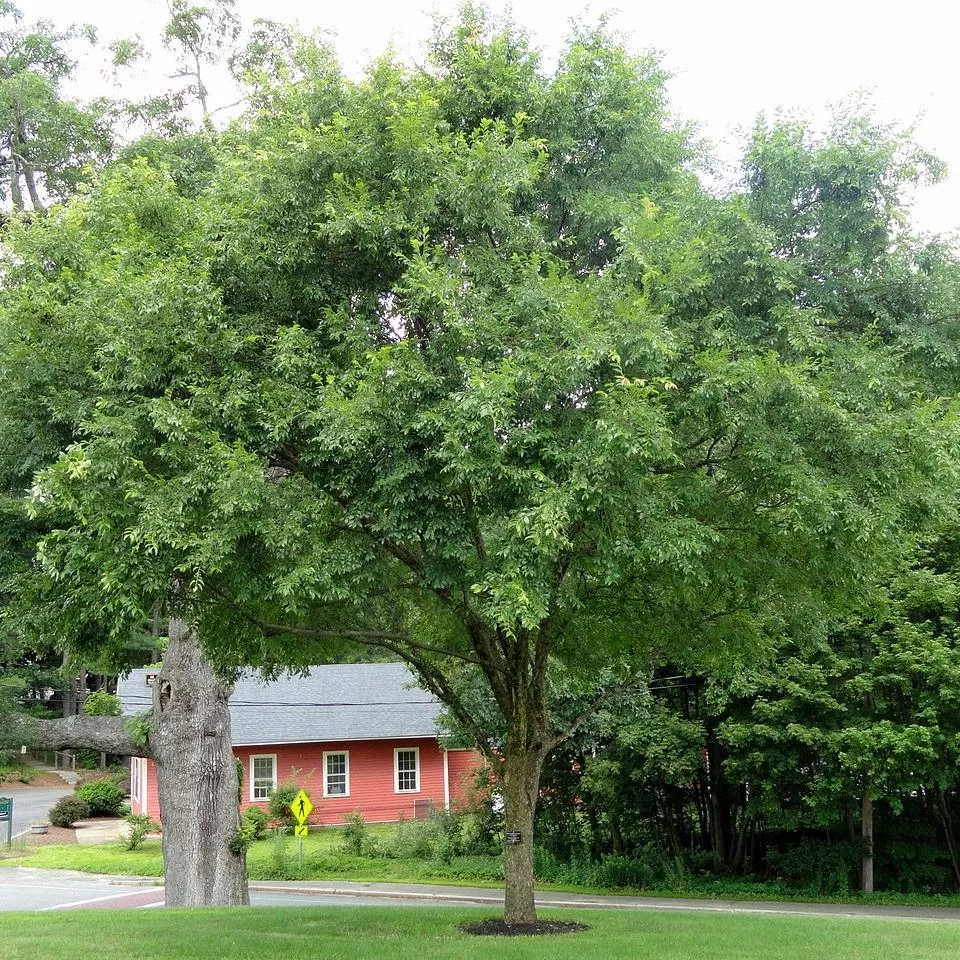
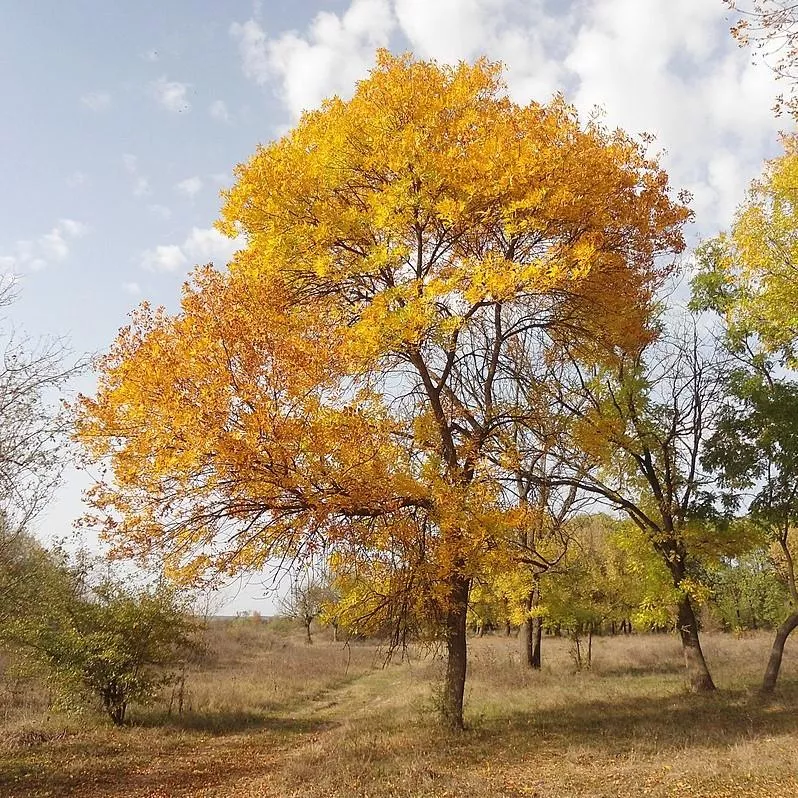
Appearance: The Golden Rain Tree is a medium-sized tree that typically reaches a height of 30 to 40 feet (9 to 12 meters) with a spread of 30 to 35 feet (9 to 11 meters). It has a rounded canopy and a relatively short trunk. The tree gets its name from the showy clusters of yellow flowers that resemble golden raindrops when in bloom.
-
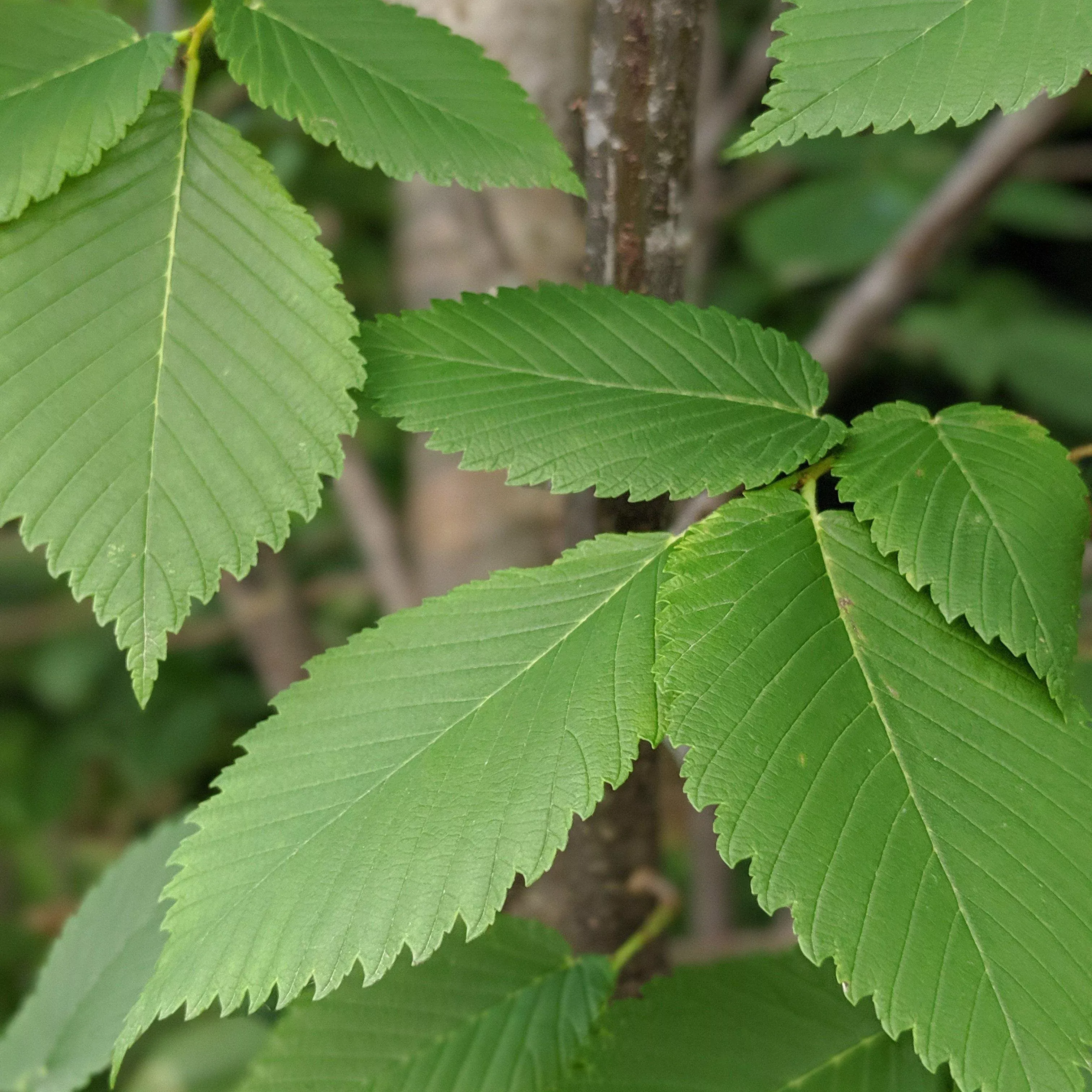
Foliage: The leaves of the Golden Rain Tree are pinnately compound, meaning they are composed of multiple leaflets arranged along a central stem. The leaflets are oval-shaped and have a serrated margin. In the fall, the foliage turns a vibrant yellow, adding to the tree’s ornamental value.
-
Tolerance: Golden Rain Trees are known for their tolerance to a wide range of growing conditions. They can tolerate full sun to partial shade and are adaptable to various soil types. They are also relatively drought-tolerant once established.
|
Type: |
Tree |
|
Origins: |
East Asia |
|
Height: |
30’ – 40’ |
|
Spread: |
30’ – 40’ |
|
Spacing: |
35’ |
|
USDA Hardiness Zone: |
5 – 9 |
|
Culture: |
Full Sun |
|
Bloom Color: |
Yellow |
|
Season of Interest: |
Summer, Fall |