
Providing year-round interest, Common Persimmon features delicious orange to purplish fruit, ripening in fall. Fragrant chartreuse and white flowers arrive in spring, and elongated green foliage fades to rosy pinks and chartreuse in autumn. Later, enjoy its unique block-shaped bark that stands out in winter. Also known as Diospyros virginiana, this easy-to-grow North American native produces loads of 1-2-inch fruit that soften and turn sweet as they ripen during late fall. Ideal for making bread, cookies, pie, drinks, ice cream, and jellies, these fruits are also delicious when eaten fresh. Both male and female plants are required for fruit production.rCommon or American Persimmon is pest and disease resistant, and cold hardy in zones 4 to 8. It has a slow growth rate and works well as a specimen or grouped in a hedge. Supporting the bees and attractive to birds and butterflies, Common Persimmon enhances pollinator and butterfly gardens.rCommon Persimmon Care rTo yield fruit, plant a male Common Persimmon near a female tree. Plant this tree during early spring in full sun. The soil should be slightly acidic, moist, and well draining. Apply a 3-6-inch ring of organic compost around the dripline. Prune this tree during late winter or early spring while it is dormant. Remove any dead, diseased, damaged, or crossed branches to improve shape and air circulation. Space each tree 25-30 feet apart.rGrowing Common Persimmon rCommon Persimmon may take anywhere from 4 to 10 years to fully mature. Growing to 30 to 40 feet high and 25 to 30 feet wide, this perennial requires ample space to grow and access sunlight, even during the fall when its fruit ripens. Better suited for the outdoors, it can be grown in containers when young. When growing it indoors, plant it in a deep container to accommodate its long tap root.rWatering Common Persimmon rProvide newly planted trees with one inch of water per week until roots are established. Common Persimmon is relatively drought tolerant at maturity.rFeeding Common Persimmon rCommon Persimmon is typically not a heavy feeder. If the soil lacks nutrients, however, fertilize with a balanced, slow-release, granular fertilizer such as a 10-10-10 during late winter or early spring.rrCommon Persimmon InformationrrrrUSDA Hardiness Zones: 4 – 8rrrPlant Type: PerennialsrrrLight Exposure: Full Sun (At Least 6 Hours Of Direct Sunlight)rrrMature Height: 30 – 40 FeetrrrMature Spread: 25 – 30 FeetrrrSpacing: 25 – 30 FeetrrrHabit: UprightrrrFlower Color(s): Green, WhiterrrFlower Description: greenish-whiterrrBloom Period: MayrrrFoliage Type: DeciduousrrrFoliage Color(s): GreenrrrFoliage Description: deep greenrrrSeasonal Interest: Spring Flowering, Summer FloweringrrrWatering: AveragerrrResists: Pests & InsectsrrrTolerates: SaltrrrAttracts: BirdsrrrContainer Role: rrrUses: Erosion Control, Wildlife GardensrrrFeatures: Attracts Pollinators, Foliage Interest, Fragrant, Low Maintenance, Native to North AmericarrrBrand: rrrCommon Name: Common PersimmonrrrOther Name(s): Persimmon TreerrrScientific Name: Diospyros virginiana
Sale!
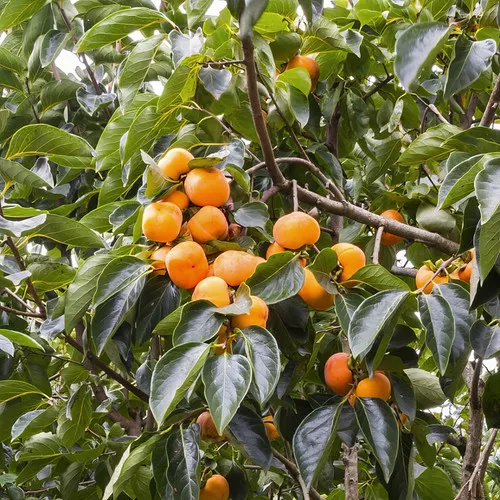
Common Persimmon
Original price was: $69.29.$47.10Current price is: $47.10.
Free shipping on orders over $50Related products
-
Sale!
-
Sale!
 Trees
Pink Weeping Cherry Flowering Tree Live Plant, 18-20 Inch Tall, Outdoor
Original price was: $25.89.$20.29Current price is: $20.29. Add to cart -
Sale!
 Trees
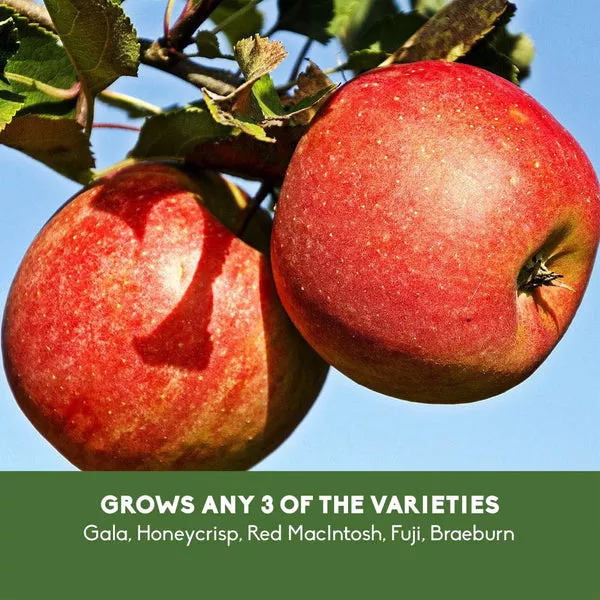
Apple 3-in-1 (Combo 2) Tree
Original price was: $104.99.$69.25Current price is: $69.25. Add to cart -
Sale!
 Trees
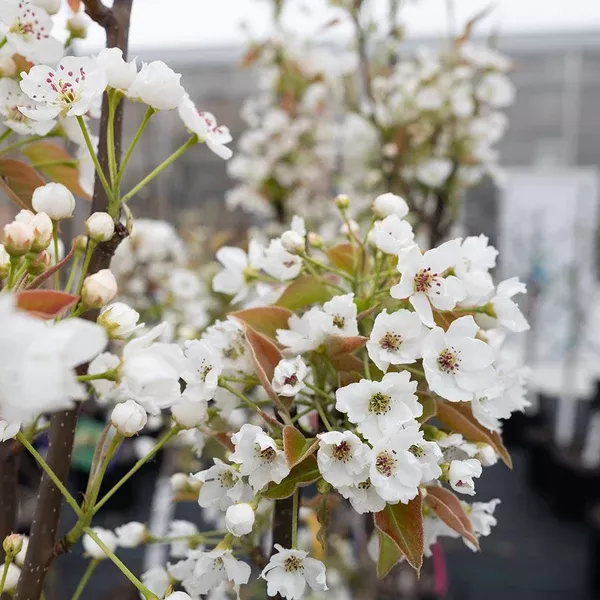
Oriental Pear 4-in-1 Tree
Original price was: $104.99.$75.95Current price is: $75.95. Add to cart -
Sale!
-
Sale!
 Trees
Live Jaboticaba Tree – Sabara Black Grape Edible Plant, 4-7 inches Tall
Original price was: $20.99.$14.83Current price is: $14.83. Add to cart -
Sale!
 Trees
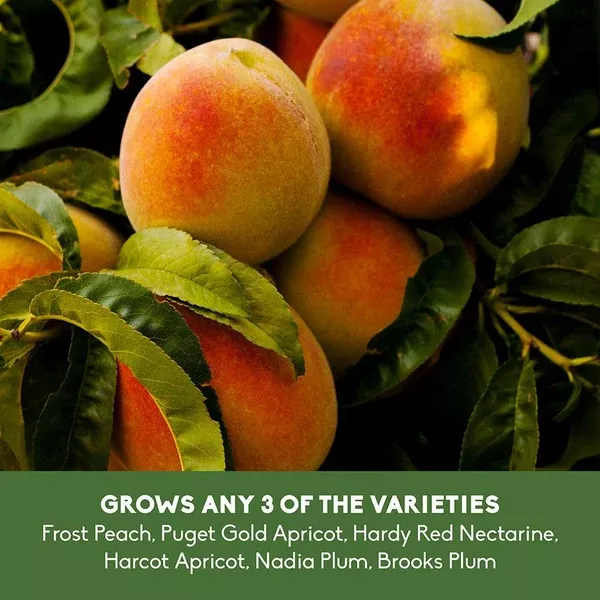
Fruit Salad Tree 3 Way
Original price was: $104.99.$62.00Current price is: $62.00. Add to cart -
Sale!
 Trees
Amaryllis Belladonna Bulbs – Pink Naked Ladies Lily – 6 Count – Outdoor
Original price was: $27.99.$15.77Current price is: $15.77. Add to cart