
Solomon’s Seal is a woodland native with a gracefully arching shape and flowers that resemble Lily of the Valley in late spring. This native of Eastern North America is at home in damp woodland gardens, along a stream or boggy area, and in cottage gardens alongside spring-blooming bulbs and hardy annuals. The sturdy, green stems and broad leaves are long lived in the summer and die back in the fall when the plant goes dormant. Although there is a bit of controversy over the correct scientific name for Giant Solomon’s Seal, Polygonatum biflorum var. commutatum is most often used. Giant Solomon’s Seal multiplies by underground rhizomes and is not considered an overly aggressive spreader. In the Eastern United States, where Solomon’s Seal is native, this plant is found along waterways, in forests, and on roadside embankments. Giant Solomon’s Seal is rarely browsed by deer, even in areas with high populations. This plant can easily naturalize an area and act as a weed suppressor.Giant Solomon’s Seal CareSolomon’s Seal prefers damp, shaded areas with a neutral soil pH. Provide plenty of organic compost or shredded leaves to mulch the root zone. Solomon’s Seal is an early spring perennial that will start to die back during the hottest portion of the summer. In extremely hot years, the plant may go into dormancy early. This is normal and will not affect growth in the following year. Deadheading is not necessary for Giant Solomon’s Seal. The spent blooms mature into black berries that are nutritious for all kinds of local wildlife. Although birds can eat the berries, they (along with all other parts of the plant) are toxic for humans and pets. Divide clumps of Solomon’s Seal every 3-4 years to keep the plant healthy and vigorous. The best time of year to divide plants is in very early spring, before any growth emerges, or late in the summer, just after the foliage has died back. Make sure to keep newly planted divisions well watered.Giant Solomon’s Seal SpacingSolomon’s Seals are narrow plants that occupy a vertical space. The mature height can be as tall as 7 feet, while the width of individual plants is only 3-4 inches. Giant Solomon’s Seal is best planted in large groupings. Space each clump of plants 12 inches apart, center on center.Giant Solomon’s Seal InformationUSDA Hardiness Zones: 3 – 8Plant Type: PerennialLight Exposure: Partial Shade to Partial Sun (3 – 6 Hours Of Direct Sunlight)Mature Height: 3 – 7 InchesMature Spread: 3 – 4 InchesSpacing: 3 – 4 InchesHabit: ClumpingFlower Color(s): WhiteFlower Description: Bloom Period: Mid To Late SpringFoliage Type: HerbaceousFoliage Color(s): GreenFoliage Description: Seasonal Interest: Spring FloweringWatering: LowResists: Disease, Pests & InsectsTolerates: DroughtAttracts: BirdsContainer Role: Uses: Borders, Containers, Edging, Mass Planting, Wildlife GardensFeatures: Attracts Pollinators, Native to North AmericaBrand: American Beauties Native PlantsCommon Name: Giant Solomon’s SealOther Name(s): Giant Solomon’S SealScientific Name: Polygonatum biflorum v. commutatum
Sale!

Giant Solomon’s Seal
Original price was: $27.29.$16.77Current price is: $16.77.
Free shipping on orders over $50Related products
-
Sale!
 Perennials
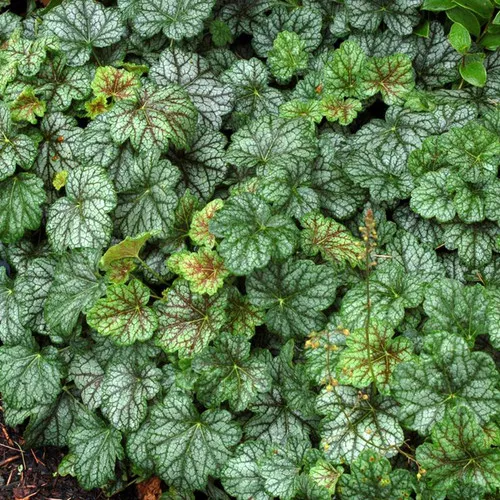
Green Spice Coral Bells
Original price was: $26.94.$15.03Current price is: $15.03. Add to cart -
Sale!
 Perennials
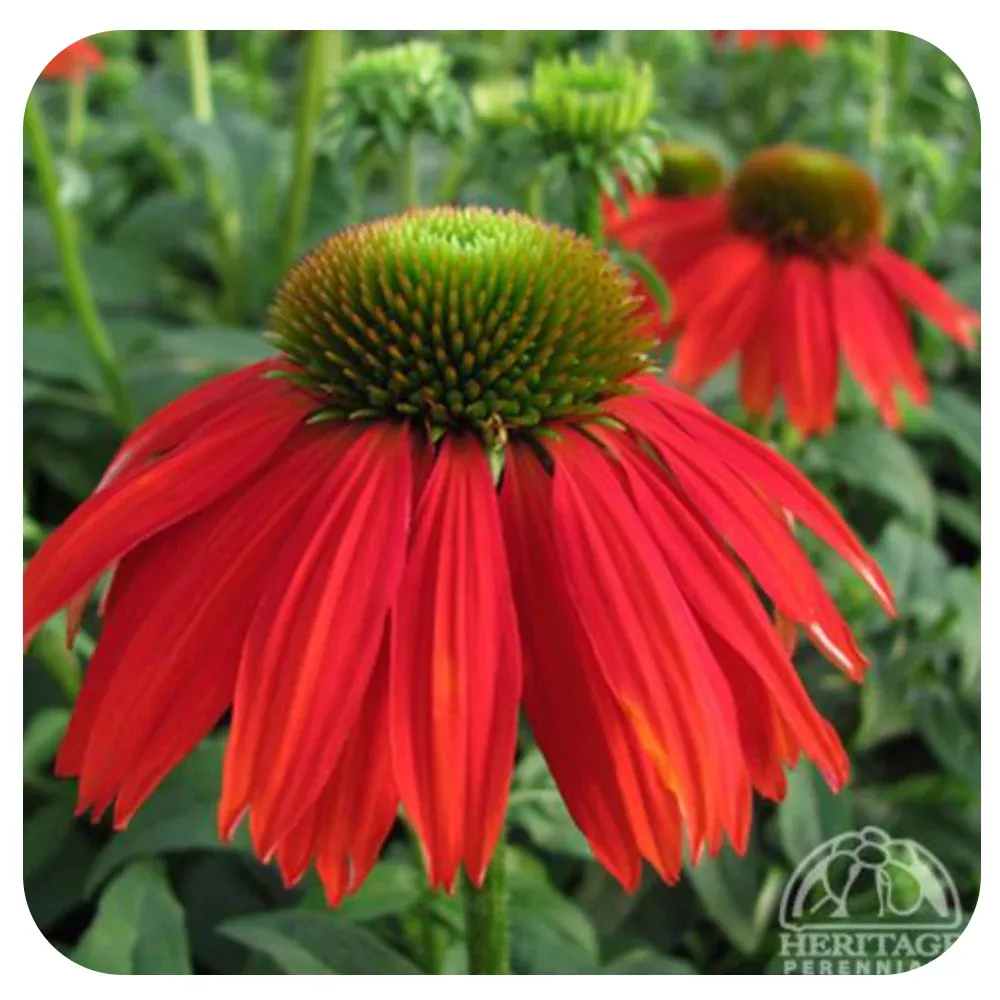
Cone Flower (Echinacea) Salsa Red
Original price was: $18.19.$10.87Current price is: $10.87. Add to cart -
Sale!
 Perennials
Hibiscus Luna ‘Pink Swirl’ (Dwarf Hardy Hibiscus)
Original price was: $13.29.$8.21Current price is: $8.21. Add to cart -
Sale!
 Perennials
Amazing Red New Zealand Flax
Original price was: $84.00.$55.82Current price is: $55.82. Add to cart -
Sale!
 Perennials
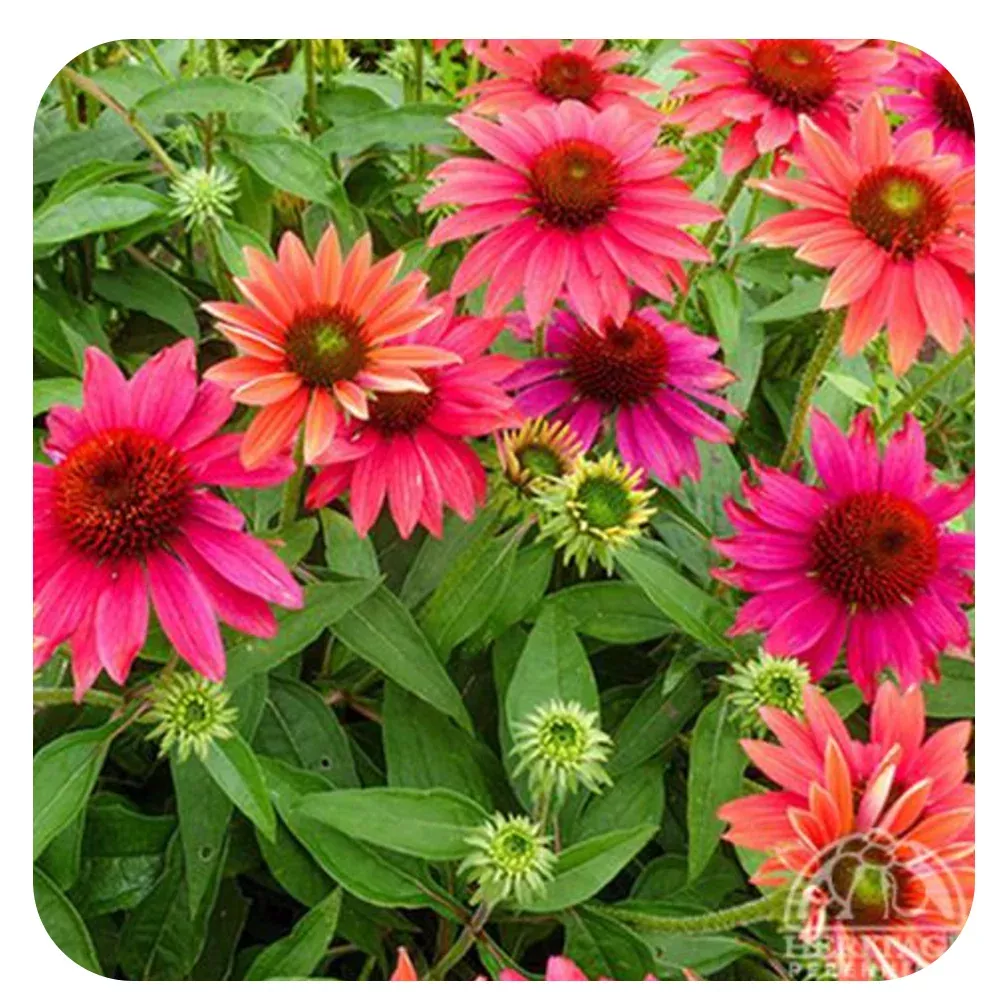
Echinacea Sombrero Tres Amigos
Original price was: $16.09.$11.45Current price is: $11.45. Add to cart -
Sale!
 Perennials
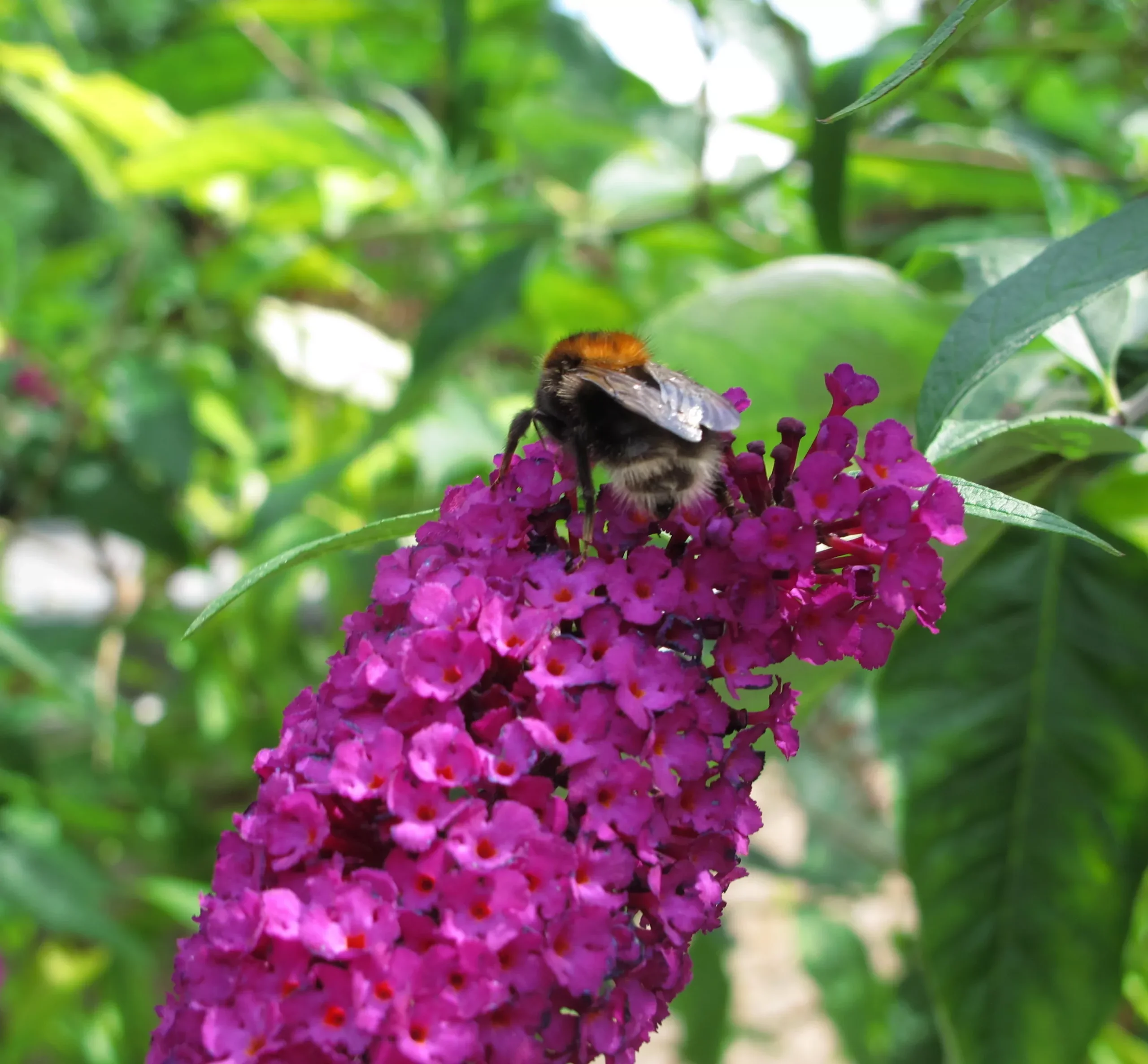
Butterfly Bush ‘ Prince Charming’ (Buddleia davidii)
Original price was: $20.99.$13.18Current price is: $13.18. Add to cart -
Sale!
 Perennials
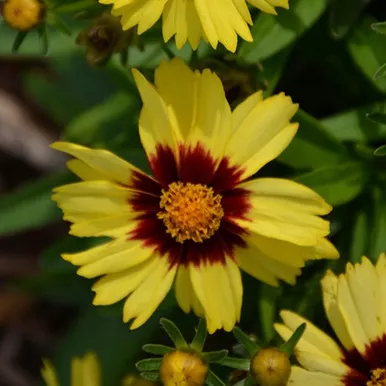
Uptick Yellow & Red Tickseed
Original price was: $20.99.$16.76Current price is: $16.76. Add to cart -
Sale!
 Perennials
Montgomery Japanese Astilbe
Original price was: $20.99.$10.68Current price is: $10.68. Add to cart